











The demo shows the rules, not the future
The five versions of Gates of Olympus are easy to compare in demo mode, but a short session can easily create a false impression. One big bonus can make the game seem “generous,” while twenty dead spins can make it seem “tight.” Neither conclusion reflects the math model.
The useful goal of a demo is more modest: to understand the payout method, cascade behavior, multiplier mechanics, and bonus structure. That requires the same checklist every time.
Step 1. Define the win geometry
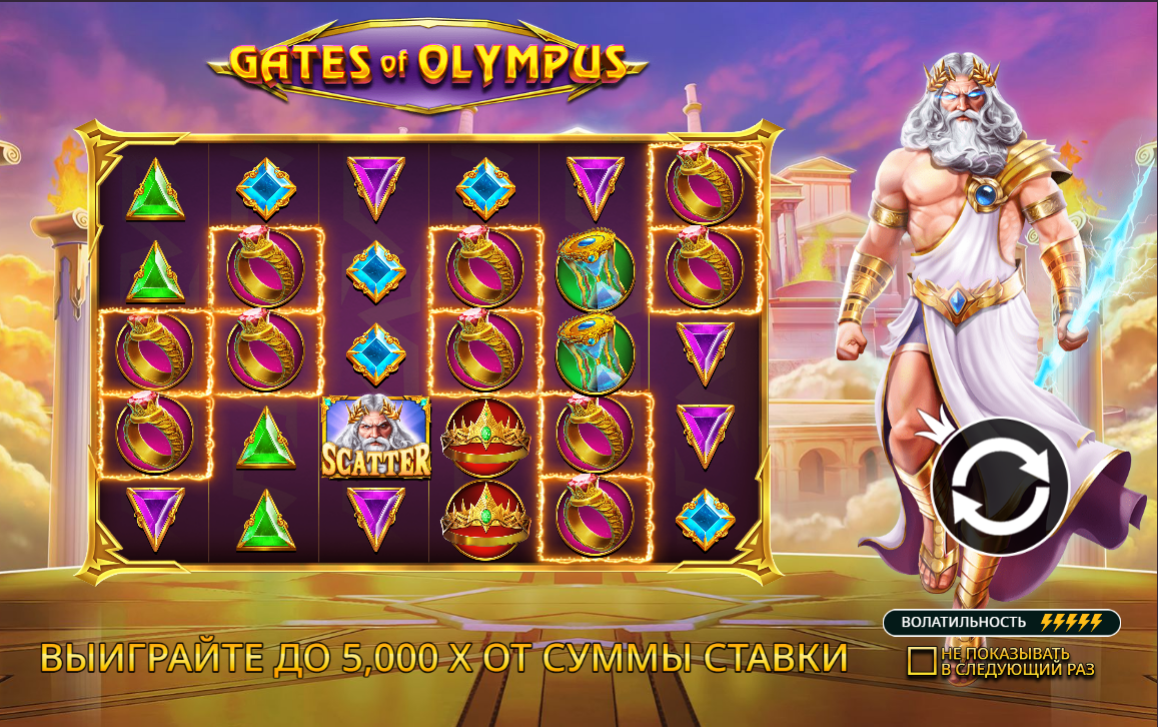
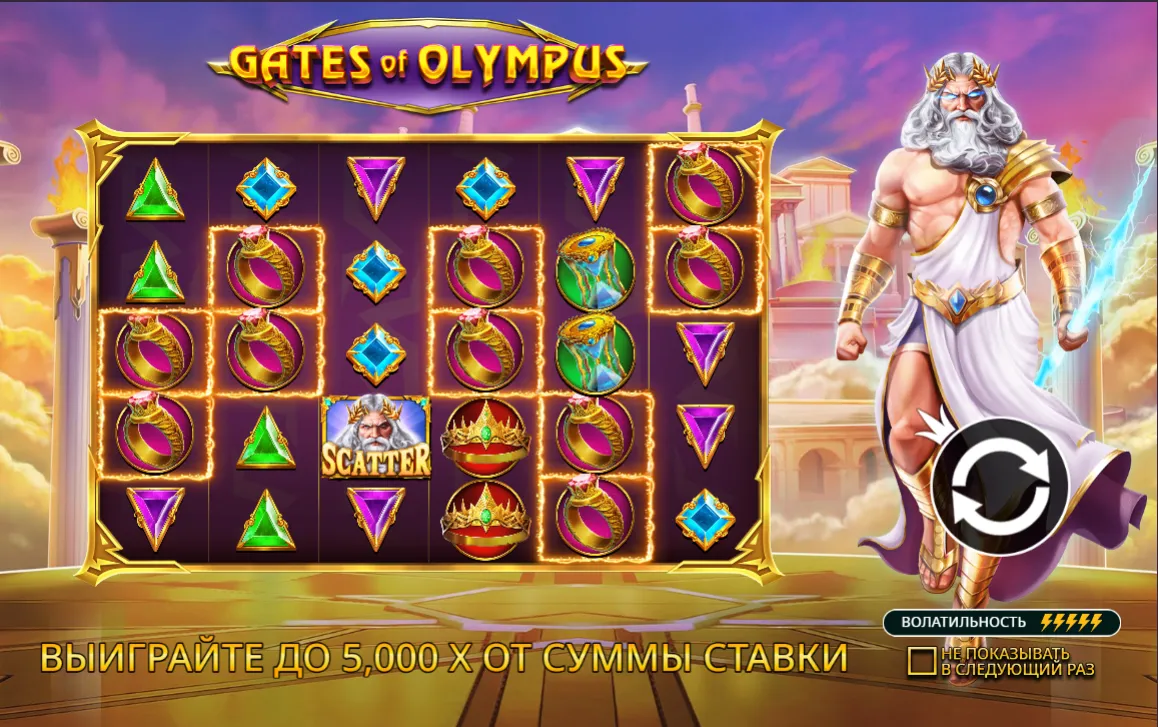
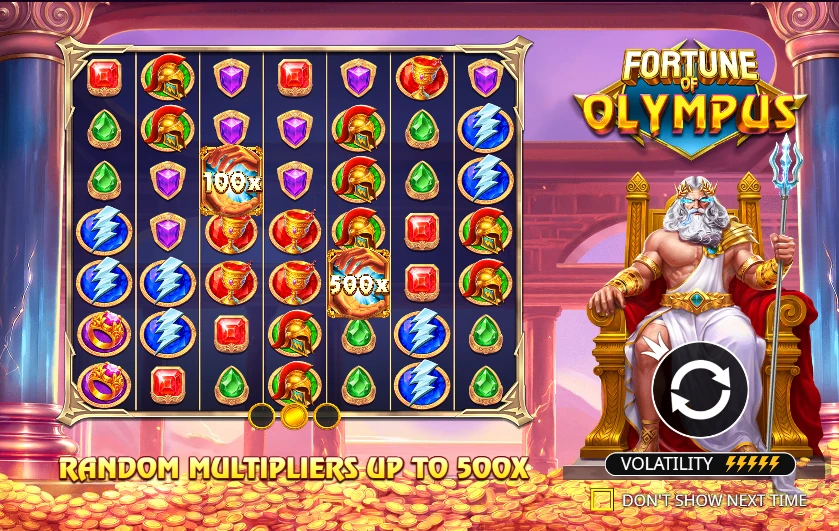
In the original, 1000, Xmas 1000, and Super Scatter, the 6×5 grid pays for 8–30 matching symbols anywhere on the grid. Adjacency is not required. In Fortune of Olympus, the 7×7 grid pays for connected clusters of five or more symbols.
Before the first spin, state the rule in your own words. If you are still looking for paylines from left to right, any comparison that follows will be wrong.
Step 2. Break down one cascade in full
Do not switch between games after every spin. Pick one winning sequence and track:
- which symbols created the first payout;
- which positions were cleared;
- whether a second cascade appeared;
- whether a multiplier appeared;
- whether there was a win at that same stage.
This makes it clear why a high multiplier sometimes adds no money: it is not a standalone combination.
Step 3. Separate the base game from the bonus
In regular spins, multipliers work within the current sequence. In free spins, winning multipliers add to a shared counter. These modes should not be mixed into one statistic.
For each version, note the bonus trigger, number of spins, retrigger condition, and the moment the counter first increases. In Fortune, also record how many Scatters provided the initial package, from 15 to 30.
Step 4. Compare the standout feature
- Original: base multiplier range up to 500x.
- 1000: the same structure with multipliers up to 1000x.
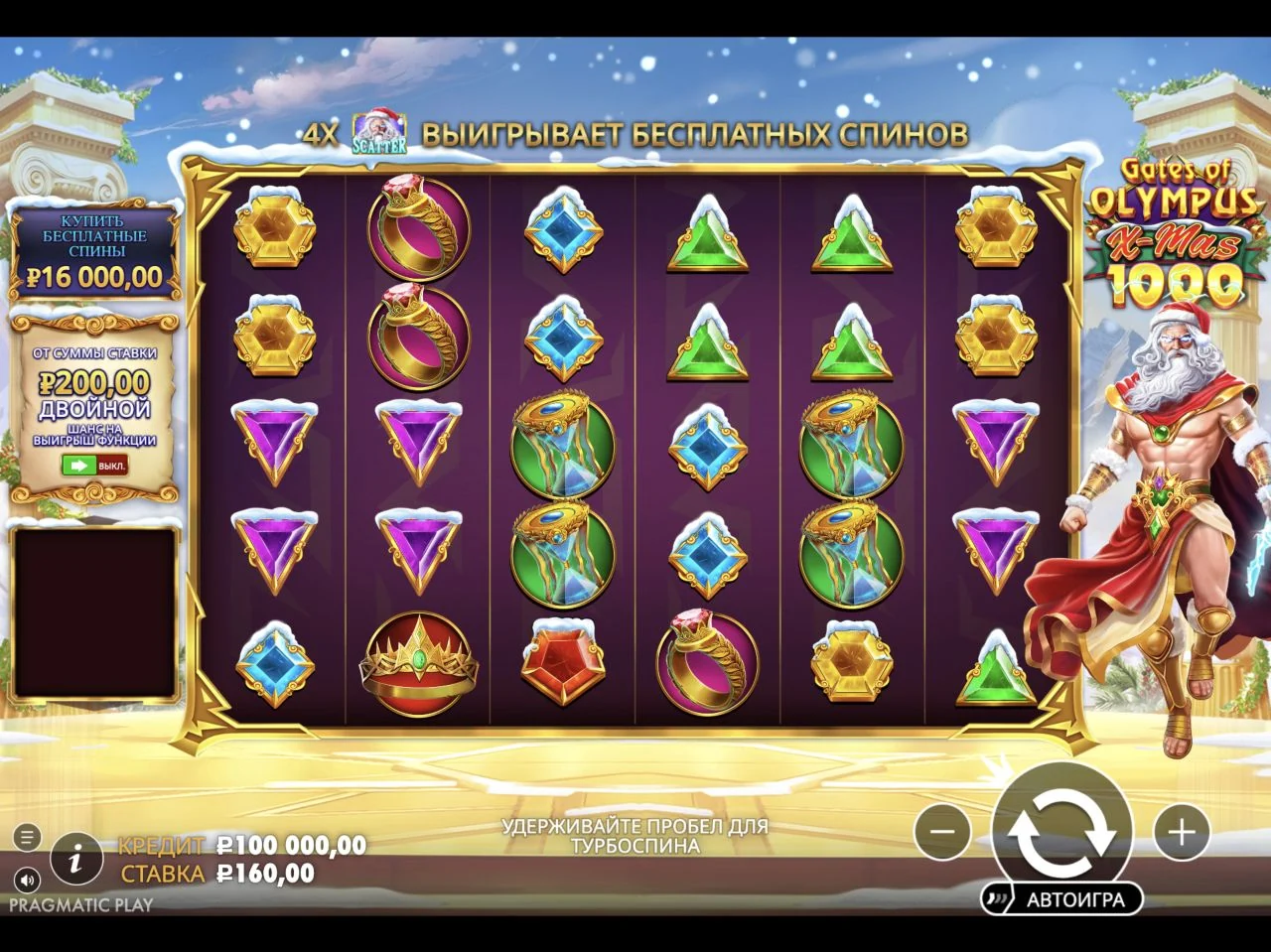
- Xmas 1000: special reels in free spins.
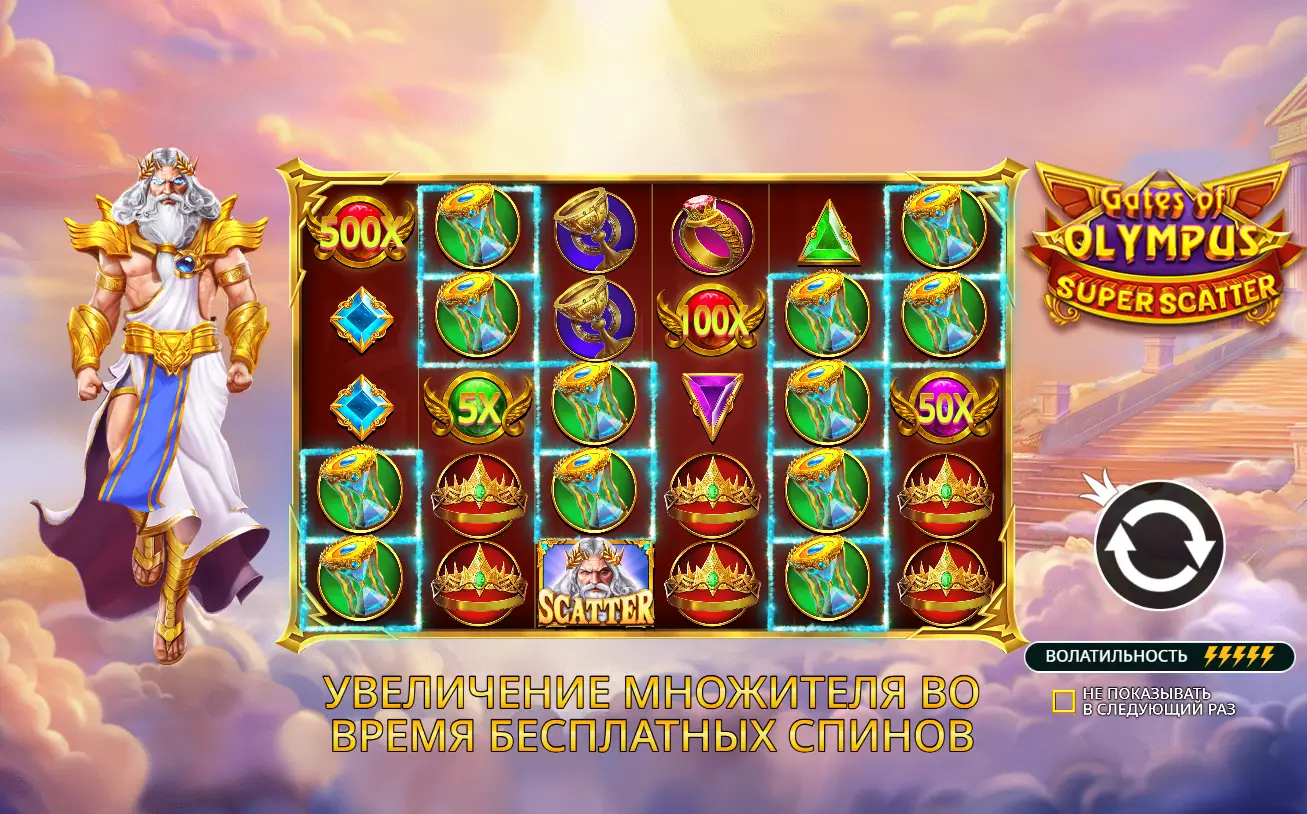
- Super Scatter: fixed reward for special Scatters on bonus entry.
- Fortune: 7×7 clusters, flexible free-spin counts, and special bets.
If you compare only the overall cascade feel, the key differences will be missed.
Step 5. Account for the cost of the mode
Buying a bonus for 100x or 500x is not a free demonstration of the feature from a mathematical point of view. Even with a virtual balance, record the cost. A final result of 300x looks strong for a normal spin, but it still means a loss relative to a 500x entry.
The same applies to Ante Bet and Super Spins: the increased stake must be included in the comparison.
Step 6. Do not rank games by their maximum
Payout caps of 5000x, 15,000x, 50,000x, and 10,000x do not tell you how often a game will come close to them. Super Scatter has the highest maximum in the series, but it is tied to the rare combination of four special symbols when the bonus starts.
For choosing a demo, clarity of mechanics and pacing matter more than the biggest number in the description.
Comparison worksheet
| What to record | Why it matters |
|---|---|
| Grid and cluster rule | Do not mix Pay Anywhere and clusters |
| Number of cascades | Understand the rhythm of a single spin |
| Multiplier with or without a win | See when it applies |
| Bonus start and retrigger | Compare feature length |
| Cost of the special mode | Do not confuse gross result with net result |
Conclusion
A good demo comparison does not answer “where did more land today,” but “how exactly does this version build a payout.” A consistent checklist makes the differences across the series visible and keeps a random short-term result from turning into a promise of future wins.